 From the late 1700s onward, Europeans, mostly from
Britain, emigrated to New Zealand. They came to hunt whales and seals,
to farm and to convert the Maori to Christianity. To
place New Zealand
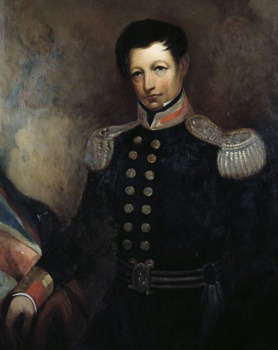
under British rule, the Governor of New Zealand, Captain
William Hobson, drew up the Treaty of Waitangi in 1840. The treaty was
based
on the principle of equality for both European settlers
and the Maori.
It granted the Maori tino rangatiratanga or "true
chieftainship" of their
land and treasures.
From the late 1700s onward, Europeans, mostly from
Britain, emigrated to New Zealand. They came to hunt whales and seals,
to farm and to convert the Maori to Christianity. To
place New Zealand
under British rule, the Governor of New Zealand, Captain
William Hobson, drew up the Treaty of Waitangi in 1840. The treaty was
based
on the principle of equality for both European settlers
and the Maori.
It granted the Maori tino rangatiratanga or "true
chieftainship" of their
land and treasures.
Unfortunately, the English version of the treaty talked about land ownership. The Maori did not think of land as something people could own, but rather that the people belonged to the land. When they sold their land to the settlers, they did not expect to lose it forever. Consequently inequality and misunderstanding quickly developed.
“In the English-speaking World”